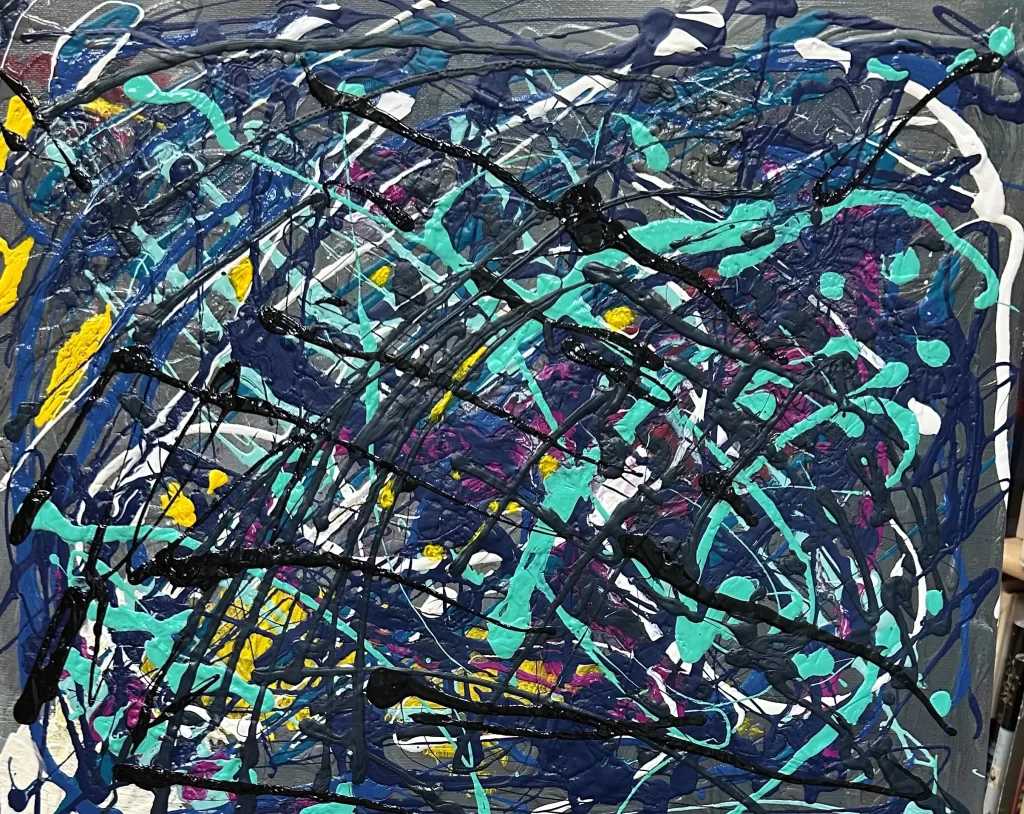
Emerging Sunlight
Get rid of the fear, the chaos, and let the sun shine through
Years ago, a student came into my college counseling office, pale and shaking. Paralyzed by overwhelming fear, he couldn’t get out of his car to cross the street and enter a building. His phobia was interfering with his life.
A phobia is an irrational, persistent fear of an object, situation, or activity, so powerful it can trigger a full-blown panic attack. Physical and emotional symptoms surface even in the absence of real danger. According to Johns Hopkins Medical Center, phobias often begin between the ages of 15 and 20. While both men and women experience them, men are more likely to seek treatment. The root causes remain unclear but are thought to involve a mix of genetic and environmental factors. Fortunately, phobias can be treated.
I don’t know what triggered that young man’s fear, but I do know what sparked one of my own. After a childhood accident on a roller coaster, I avoided them for decades. Then, in my seventies, I found myself at a Universal theme park, watching my granddaughter ride them with ease. When I saw young children laughing as they exited, something shifted in me. Bored of watching from the sidelines, I gave it another try—and discovered the rides weren’t so terrifying after all (though I still avoid the ones with loops!).
My grandson also chose to face his fear. After falling from a horse several times, he was understandably wary. But years later, he joined me on a trail ride, jaw clenched, eyes wide with apprehension. With a gentle guide and some encouragement, he ended the day confidently trotting on his own. I admired his bravery.
The student I worked with eventually found relief through cognitive-behavioral therapy. During our sessions, I’d turn off the lights and guide him through a visualization exercise, asking him to picture each step of the feared activity. Over time, the anxiety loosened its grip.
Overcoming irrational fear takes real courage. When phobias interfere with daily life, therapy—especially gradual exposure techniques—can be highly effective. Breathing and relaxation exercises can also help reduce the body’s physical response to stress.
I bring this up now because I see a different kind of fear spreading: social and political anxiety. It’s more than the fear of public speaking or social awkwardness. It’s a deep, persistent dread, fueled by media and political rhetoric, that causes people to withdraw from conversation, stop watching the news, and avoid friends and family with differing views. But avoidance doesn’t ease the fear; it often amplifies it.
One woman told me she bursts into tears when she reads about people starving in Gaza or being taken from their homes by masked ICE agents. She imagines herself in their place and becomes so overwhelmed that she can’t leave her own home.
Unchecked, this kind of fear, like any phobia, can interfere with work, relationships, and even sleep. It can leave people frozen, unable to act, think clearly, or take meaningful steps toward relief. Some turn to substance abuse to self-medicate; others lash out in anger or direct their fear toward imagined enemies.
Avoidance doesn’t solve fear. Facing it calmly and gradually can.
Fear and hope are powerful, opposing forces. Fear can ignite wars, silence dissent, and erode human rights. But while fear may be paralyzing, it isn’t permanent. Just as my student learned, overcoming fear requires effort and courage, but the reward is the freedom that comes with it.
We may not be able to change the world overnight, but we can change how we respond to it. That means staying informed without getting overwhelmed, setting boundaries with media consumption, and engaging in conversations, especially hard ones, with compassion and curiosity.
Whether it’s roller coasters, horses, or challenging conversations, facing fear step by step helps us grow. We don’t have to let politicians or media sensationalism dictate how we live. With courage and by supporting each other, we can reclaim our voice, our peace, and our place in the world.
________________________
I look forward to your comments.
Art is always for sale. Emerging Sunlight is a 16″ by 20 ” acrylic painting on canvas. It can be purchased for $295 through my website at https://www.eichingerfineart.com/workszoom/6123537/emerging-sunlight#/
For additional questions, contact me at marilynne@eichingerfineart.com
_____________________
References:
Website (2025) Phobias. Cleveland Clinic. Retrieved from https://my.clevelandclinic.org/health/diseases/24757-phobias
Podcast. Ramadan H. Shants, J. (2016). Manufacturing Phobias: The Political Production of Fear in Theory and Practice. University of Toronto Press. ISBN978-1-4426-25884-7
Understanding and overcoming phobias: Martin Antony, PhD. American Psychological Association. Retrieved from https://www.apa.org/news/podcasts/speaking-of-psychology/overcoming-phobias Why would a playboy twenty-year-old become a social activist, willing to put his life on the line to reclaim his tribe’s right to water? The Water Factor presents a powerful example of what can occur when people become so disenchanted with corporate greed that they overcome their fears and take action. The book is a Firebird International Award winner for Best Dystopian Novel and a Literary Titan recipient for Best Thriller. It is available in ebook, paperback, and audio formats. It can be purchased on Amazon, Barnes & Noble, Powell’s Books, and Annie Bloom’s Books, as well as in other national stores, and on audiobook platforms such as Amazon, Audible, and iTunes.